Website designed with the B12 website builder. Create your own website today.
Start for free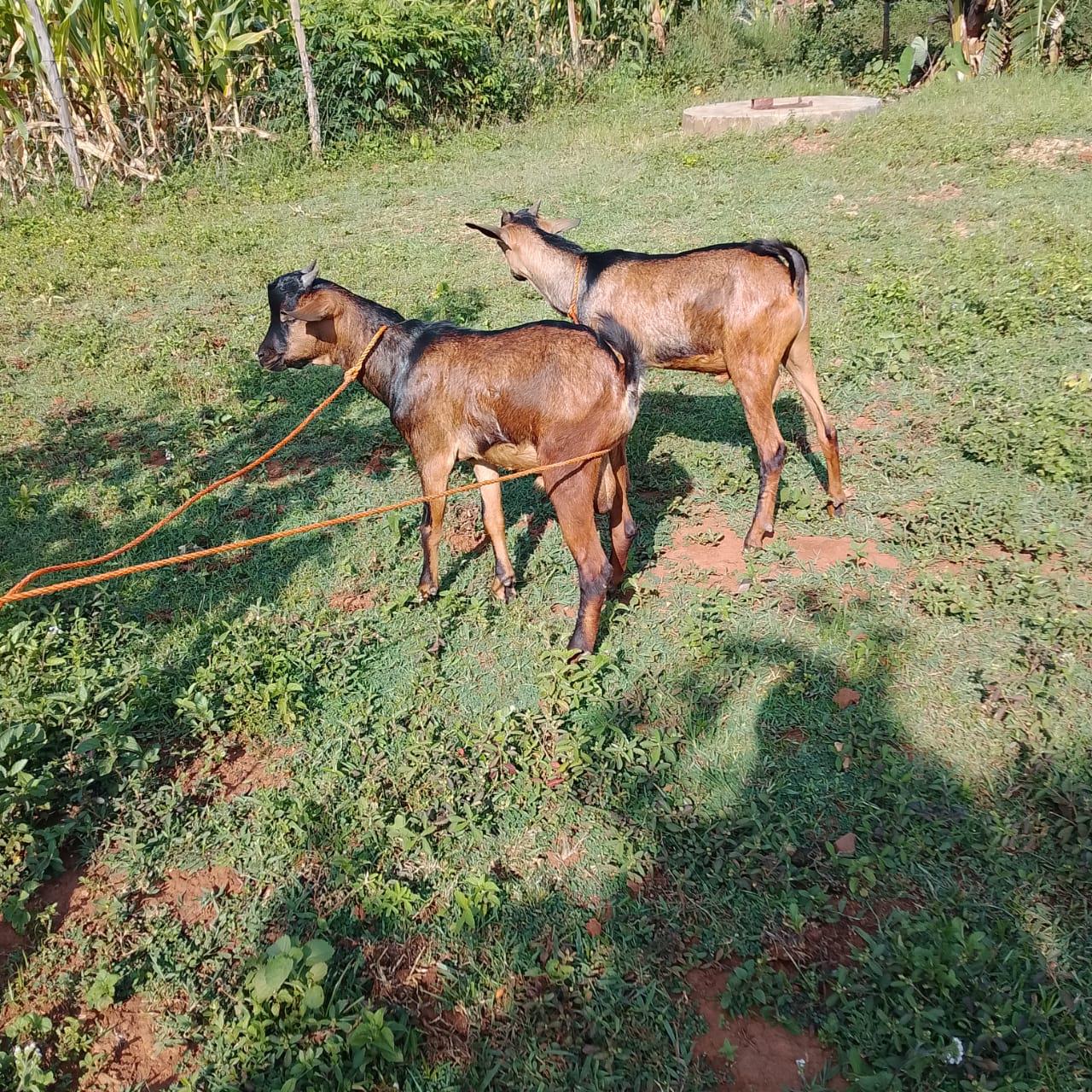
In the rolling landscapes of Homa Bay County, a quiet revolution in livestock farming is unfolding, fueled by the determination of smallholder farmers, especially women and youth. This movement celebrates goat farming as a beacon of hope and resilience, offering sustainable solutions to meet the growing demand for climate-smart agriculture. With supportive county policies and an increasing focus on inclusive agribusiness models, these farmers are leveraging goats not just as livestock, but as vital contributors to nutrition, income, and environmental sustainability.
At the heart of this transformation is Mifugo Centre, a community-driven initiative that empowers local farmers through innovative goat breeding and management practices. By combining practical training with a commitment to inclusivity, Mifugo Centre is shaping a new narrative for agriculture in Homa Bay. The Centre’s approach underscores the immense untapped potential of goat farming as a driver of rural development, demonstrating that with the right resources and support, small herds can create a significant impact in the quest for sustainable livelihoods.
The rise of smallholder farmers in Homa Bay County
In the rolling landscapes of Homa Bay County, smallholder farmers are at the forefront of a transformative movement in livestock farming. These farmers, often women and youth, have seized the opportunity to cultivate resilience and economic stability by raising goats. With supportive county policies and an urgent need for climate-smart agricultural practices, these committed individuals are making significant strides despite limitations posed by traditional farming systems. Their efforts not only contribute to their families' nutritional needs but also enhance local economies, showcasing how small-scale initiatives can drive transformative change in the agriculture sector.
The importance of smallholder farmers in the region cannot be overstated. These farmers are central to the county's Third County Integrated Development Plan (CIDP III), which aims to boost agriculture as a key driver of economic growth. By focusing on inclusive agribusiness models and sustainable livestock production, Homa Bay County is gradually shifting away from reliance on large commercial farms. As a result, smallholder farmers are increasingly recognized as vital to achieving food security and enhancing rural livelihoods, proving that even small herds can have a big impact on the community when strategically managed.
Unlocking the potential of goat farming for sustainable livelihoods
Goat farming stands as a beacon of hope for many smallholder farmers in Homa Bay County. These hardy animals require less feed and space than traditional livestock, making them an ideal choice for the semi-arid conditions prevalent in the region. Local forage such as Napier grass, Brachiaria, and hydroponically grown fodder provides an accessible food source for goats, enabling farmers to cultivate resilient agricultural systems. With the ongoing challenges of food insecurity and climate change, goats emerge as a smart alternative, offering quick returns on investment and the ability to withstand droughts, thus securing both income and nutrition for families.
Moreover, the economic potential of goats is significant in rural households. As highlighted by the Ministry of Agriculture, goats contribute up to 30% of household livestock income in arid and semi-arid areas of Kenya, illustrating their importance in local economies. In Homa Bay, where over 60% of households depend on livestock for their livelihoods, promoting goat farming can drive economic transformation. By prioritizing goat farming within supportive county policies and programs, Homa Bay County can create sustainable livelihoods, reduce poverty, and empower communities to thrive in the face of climate-related challenges.
Mifugo Centre: Empowering communities through goat breeding innovation
Mifugo Centre stands as a beacon of hope and innovation in Homa Bay County, empowering local farmers through its transformative approaches to goat breeding. With the flagship 20+2 Goat Model at its core, the Centre enables farmers to manage a nucleus herd of 20 does and 2 bucks, fostering a community-focused breeding system that maximizes both productivity and knowledge sharing. This hands-on approach not only equips farmers with essential skills in goat husbandry, breeding techniques, and health management but also creates a network of support that encourages collaboration and resource sharing among community members.
Additionally, Mifugo Centre prioritizes inclusivity, particularly focusing on empowering women and youth within the community. Through initiatives like One Member, One Month, the Centre strategically pools resources to uplift one new farmer each month, ensuring they receive livestock and training that jumpstart their journey in goat farming. By embedding climate-resilient practices such as fodder banks and rainwater harvesting into its programming, Mifugo Centre aligns with broader agricultural development goals while also addressing immediate needs for food security and income generation. In doing so, the Centre not only transforms goat farming into a viable livelihood option but also cultivates a sense of ownership and dignity among local farmers, reinforcing the profound impact of small herds in driving sustainable change.
